







Search Results for: plant-based protein drinks

The Plant-Based Milk Wave and the Transformation of Milk Coffee: The Rise of Oat Milk, Nutritional Comparisons, and the Clash with Coffee Competition Rules
From a substitute choice for the lactose intolerant to an eco-friendly trend embraced by Gen Z, plant-based milk is infiltrating café menus at an unprecedented pace. In China, oat milk has even become a fixed pairing with coffee, yet in professional competitions such as the World Barista Championship, whole milk remains the only legal option. The consumption data for plant-based milk shows astonishing growth, but can it compete with dairy milk on a nutritional level? Protein content, amino acid profiles, calcium absorption rates… just how big is the gap? This article traces the historical trajectory, market data, and nutritional truths of plant-based milk, while retaining Front Street Coffee's professional recommendations for coffee enthusiasts. [more…]

What exactly is oat milk as a plant-based milk? When used to make a latte, which has the better flavor compared with a milk latte?
In recent years, oat milk coffee has gradually entered the public eye, becoming a new choice for many coffee lovers. Oat milk comes from oats, a traditional Nordic ingredient, and is characterized by high plant protein, high dietary fiber, and low fat. It is also lactose-free, making it quite friendly to people who are lactose intolerant, vegetarian, or allergic to milk protein. So, compared with traditional milk coffee, which one actually tastes better? This article will start from the origins of oat milk and the groups it suits, combine the practical testing experience of Front Street Coffee, discuss the differences between different brands of oat milk paired with espresso beans, and offer bean selection advice for making a rich and silky oat milk latte. [more…]
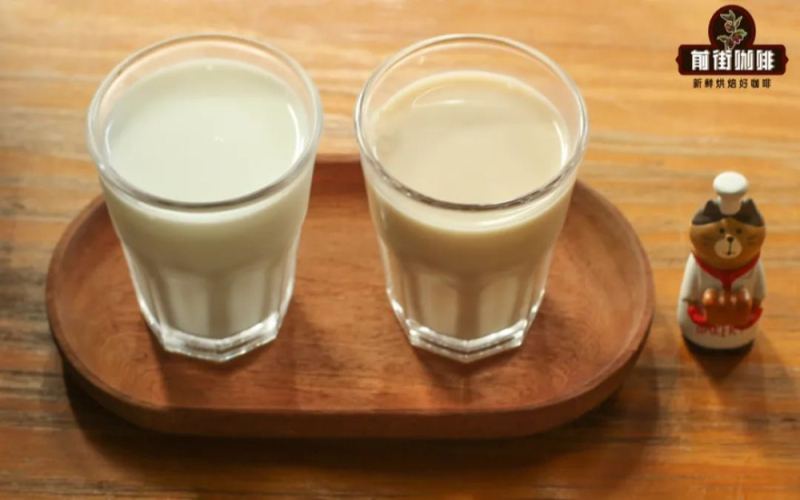
Analyzing the Essential Differences Between Oat Milk and Dairy Milk: Foaming Challenges and Latte Art Techniques for Plant-Based Lattes
In recent years, many customers who come to the shop ask whether we have oat milk lattes, or ask for advice on how to steam fine milk foam with oat milk. Although the milk coffee produced by Front Street Coffee has always used whole milk, in order to respond to everyone's curiosity, today we'll talk about the unique characteristics of oat milk lattes, as well as the techniques to note when steaming milk foam and doing latte art with oat milk. This article will start with the composition of oat milk, compare it with fresh milk in terms of flavor and texture, and explain in detail the key points for operating oat milk during steaming and latte art, to help coffee lovers better master the methods for making plant-based milk coffee. [more…]

Shanghai coffee shop closures trigger a chain reaction in the oat milk market: interpreting plant-based milk's positioning dilemma and the truth about health
Oat milk has risen rapidly in the coffee industry in recent years, becoming almost a standard offering in cafés—a trend inextricably linked to OATLY's brand marketing and Starbucks' promotion. However, amid the suspension of café operations in Shanghai and other places, oat milk sales have seen a marked decline, and OATLY's latest financial report also reflects that the Chinese market is facing severe challenges. This article traces oat milk's journey from obscurity to ubiquity in coffee circles, analyzes the fragility exposed by its over-reliance on the B2B channel, and explores the obstacles oat milk must overcome given such realities as its vague positioning in the consumer market and the difficulty of changing consumer habits. At the same time, through a comparison of nutritional components, it objectively examines whether oat milk is truly as healthy as advertised, offering coffee lovers a rational reference. [more…]
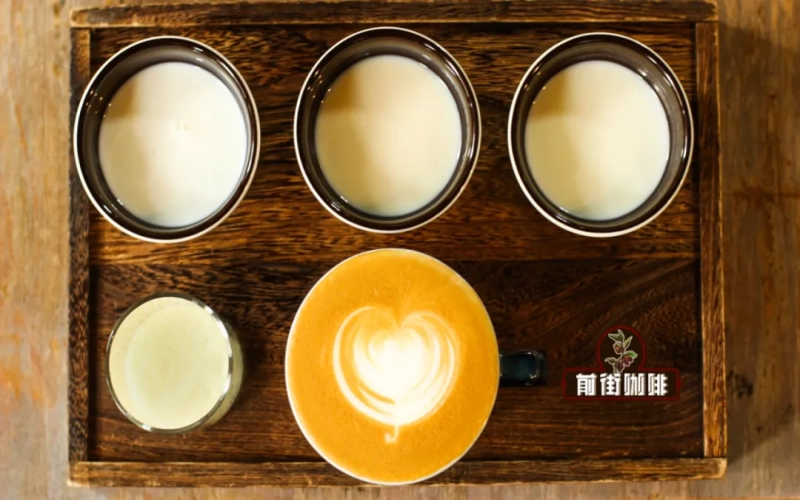
A Complete Analysis of Milk Blending in the Coffee World: Blending Approaches and DIY Methods for Purified Milk and Plant-Based Milk
In coffee drinks, milk is far more than a supporting player; through clever blending, it can make the flavor of milk coffee achieve an effect where 1+1 is greater than 2. Whether adjusting concentration or enhancing sweetness, blended milk gives baristas more flexible creative space. This article, from the perspective of Front Street, systematically sorts out the common milk blending methods in the coffee world, including the freeze-concentration principle of purified milk, the practice of mixing it with fresh milk in proportion to balance concentration, and the basic concept of plant-based milk blending. The article not only explains the purpose of blending, but also provides actionable DIY ideas to help coffee lovers recreate a professional-grade milk coffee experience at home. [more…]

Yangyuan Beverage's first-half revenue slightly declined, the challenge of over-reliance on its flagship Six Walnuts product remains unresolved.
With the familiar advertising slogan "For frequent brain use, drink Six Walnuts," Yangyuan Beverage once turned Six Walnuts into a phenomenal hit product in the plant-based protein beverage sector. However, its parent company has faced sustained pressure on performance in recent years. According to its 2024 semi-annual report, Yangyuan Beverage's revenue in the first half of the year was approximately 2.942 billion yuan, a slight year-on-year decline, while net profit grew against the trend. The market reacted negatively, with the stock hitting the daily limit down on the day the semi-annual report was released. For a long time, Yangyuan Beverage has followed a "heavy marketing, light R&D" approach, with advertising spending far exceeding R&D expenses. Today, Six Walnuts, which contributes more than 90% of revenue, is struggling to grow, and the new Yangyuan Plant Milk series generates revenue only in the million-yuan range. This article will analyze Yangyuan Beverage's difficulties and challenges from the perspectives of performance data, marketing and R&D investment, and product structure. [more…]

How Does an Oat Milk Latte Differ from a Milk Latte? Master Three Key Points to Make Delicious Plant-Based Milk Coffee
For friends who are lactose intolerant, an oat milk latte is an excellent alternative for enjoying a milk coffee. But many people who make lattes at home with oat milk often find the taste somewhat bitter and not as smooth as the milk version. In fact, oat milk and dairy milk differ noticeably in composition and characteristics, so simply applying the traditional latte method often yields poor results. Drawing on Front Street's practical experience, this article provides a detailed analysis of the differences between oat milk and dairy milk lattes, and focuses on three key areas—choosing oat milk, adjusting the ratio of coffee to plant milk, and milk frothing techniques—to help you make a full-aroma, smooth-textured oat milk latte at home. [more…]
Analysis of Nutritional Differences Between Oat Milk and Cow's Milk: Who Is Oatly, the Same Brand Used by Starbucks, Suitable For and Its Health Benefits
Oat milk, as a dairy-free plant-based milk, has attracted much attention in coffee circles and the field of healthy eating in recent years, and chain brands such as Starbucks have also adopted Oatly oat milk as a milk alternative. It is especially suitable for vegans, people with lactose intolerance, and consumers allergic to milk. During production, oat milk is made by soaking oats, filtering the slurry, and often adding extra nutrients such as calcium and vitamin B12, making its nutritional value richer. Front Street Coffee will guide you through understanding the specific health benefits of oat milk and compare its nutritional differences with whole milk and low-fat milk, helping you choose the dairy drink that suits you in a more scientific way. [more…]

Soy Milk Latte Making Guide: How to Choose the Right Coffee Beans and Master the Key Ratios
Beyond oat milk and almond milk, soy milk is likewise a plant-based milk alternative worth trying when making coffee. However, using soy milk to make a latte isn't something that succeeds with any random combination—the roast level of the coffee beans and the ratio of soy milk to espresso both directly affect the final taste. This article will draw on Front Street's practical experience to explain why soy milk is more suitable for coffee than regular soybean milk, what type of coffee beans should be chosen, and how to achieve a harmonious blend of soy milk and espresso by adjusting the proportions. At the end, it will also share a simple set of steps for making a soy milk latte using Front Street's classic blend and Vitasoy, for coffee lovers to try at home. [more…]

A Must-Read for Coffee Enthusiasts: A Review of "Coffee Wars" and an Analysis of the WBC Plant Milk Rule Change
In recent years, coffee-themed films and television works have gradually increased, but "Coffee Wars" takes a unique perspective—focusing on the situation of vegetarians and plant-based milk in coffee competitions. The film tells the story of Jo, a highly skilled vegan barista whose business is struggling because the shop only offers plant-based milk, yet she resolutely leads her team into the finals of the World Coffee Championship, attempting to prove that plant-based milk can also create outstanding coffee. At the same time, in reality, the Specialty Coffee Association (SCA) also revised the WBC rules at the end of 2022 to allow plant-based milk to compete, a change that coincides with the film's theme. This article will guide you through the film's highlights, the evolution of WBC rules, and Front Street Coffee's continued attention to specialty coffee culture. [more…]

Can Soy Milk and Coffee Be Paired? A Taste Test of Soy Milk Latte and How to Make It at Home
Plant-based milk coffee has become increasingly popular in recent years. Alternatives to milk such as oat milk and almond milk are now commonplace in coffee shops, yet soy milk, a national staple drink, is rarely used to make milk coffee. Soy milk is also a plant-based milk, so why do coffee shops hardly ever offer soy lattes? Is it a flavor mismatch, or is there another reason? This article will use practical testing to make lattes with soy milk instead of milk, analyzing the ratio, mouthfeel, operational details, and other aspects, and sharing Front Street Coffee's testing process and conclusions, to help coffee lovers understand the feasibility and specific method of soy milk coffee. [more…]

Can Milk Also Be Used for Cold Brew Coffee? A Detailed Guide to the Making Principles, Coffee-to-Milk Ratios, and Practical Steps of Milk-Brewed Lattes
The allure of cold extraction lies in its ability to suppress the release of bitter compounds while, through prolonged steeping, bringing out a unique fermented note and rich aroma. In recent years, a method called "milk brew" has become popular in the coffee world—replacing the water in cold brew with milk or plant-based milk, turning milk from a supporting player into the main extraction medium. The proteins and milk fat in milk slow the release of flavor compounds, making the final cup softer and smoother. This article starts with the principles, then explains how to choose coffee beans, the recommended coffee-to-milk ratio of 1:10 to 1:13, the specific parameters for an 8-hour cold steep, and includes a convenient method for making milk brew with drip bag coffee, helping you craft a rich and robust milk cold brew. [more…]
Must Dirty Coffee Use Purified Milk? A Full Analysis of Its Differences from Latte, Flat White, and Cappuccino
Dirty coffee has swept through specialty coffee shops in recent years, and many people assume it must be made with purified milk (such as IceBock). Is that really true? From the perspective of Front Street, this article explores the origins of purified milk and Dirty, explains that fresh milk and plant-based milk can work just as well, and compares the fundamental differences between Dirty and latte, flat white, and cappuccino in terms of preparation method and drinking experience. At the same time, the article also introduces in detail the characteristics of purified milk and why it can amplify Dirty's layered effect and the contrast between hot and cold. Whether you are a coffee enthusiast or a professional, you can use it to clarify the true nature of Dirty and find the cup that suits you. [more…]
Why Is Oat Milk Priced Higher? A Full Analysis from Production Process to Market Supply and Demand, and Its Differences from Almond Milk and Cow's Milk
With more and more plant-based milk options available today, oat milk often sparks discussion because of its relatively high price: what exactly makes it so expensive—is it a marketing premium or the result of underlying costs? This article begins with the production process of oat milk, breaking down the complete flow of how it is made from oats and water through steps such as enzymatic hydrolysis and filtration, and compares the differences between almond milk and dairy milk in nutrition, taste, and price. At the same time, by examining supply and demand dynamics and shelf-life constraints, it explains why oat milk sells for more in cities, and what more budget-friendly alternatives exist, including feasible methods for making oat milk at home. The article also retains recommended channels for specialty coffee beans for coffee enthusiasts to reference. [more…]
When Coffee Beans Are Deconstructed to the Molecular Level: Can Atomo's "Molecular Coffee" Become a New Solution for the Industry?
Coffee is the most heavily traded agricultural commodity in the world, yet its production is constrained by seasons, climate, and pests and diseases. Single-origin coffees such as SOEs are even more obviously seasonal, with supply fluctuating unpredictably. Some scientists have reverse-engineered coffee beans at the molecular level, attempting to preserve caffeine and the desired flavor without relying on coffee beans, and have co-founded the Atomo brand with entrepreneurs to develop "molecular coffee." This attempt responds both to the hidden worry that future coffee varieties may disappear on a large scale and to multiple issues such as traditional brewing rituals, flavor replication, and environmental ethics. Will it open a new path for traditional coffee, or will it bring disruption? This article will sort through the technical logic, flavor challenges, and industry impact of molecular coffee. [more…]

A Guide to Choosing Beans for Milk Coffee
Milk coffee, commonly known as milk-based coffee, includes lattes, cappuccinos, Flat Whites, Dirty, and so on. The common feature of these drinks is that espresso and milk are blended together. When choosing beans, you need to consider both the flavor of the espresso itself and how it performs when blended with milk. [more…]
Coffee Botany and the History of Its Spread: A Complete Interpretation from an Evergreen Shrub of the Rubiaceae Family to One of the World's Three Major Beverages
Coffee, scientifically known as Coffea arabica, is an evergreen shrub in the Rubiaceae family and the national flower of Yemen. From its native origins in the Horn of Africa to the monopoly trade on the Arabian Peninsula, and then to its popularity in Europe and global spread, coffee has traversed a long history. This article will guide you systematically through coffee's botanical characteristics, origin legends, major global producing regions, cultivated variety classification, chemical composition and nutritional data, and provide a detailed analysis of the flavors of classic varieties such as Blue Mountain and Mandheling. Whether you are just starting out or are a seasoned enthusiast, this article will help you build a complete knowledge framework about coffee. Front Street Coffee will also recommend classic beans worth trying. [more…]
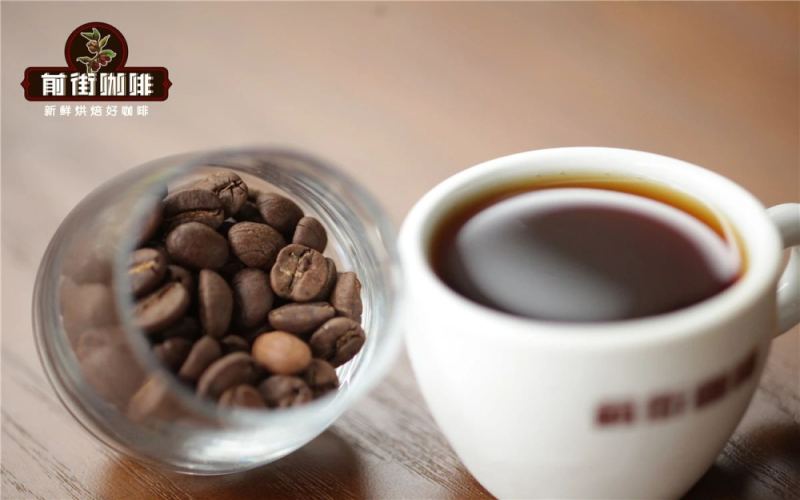
Exploring Indonesian Coffee Origins: The Flavor Truth of Mandheling and Kopi Luwak, Plus Front Street Brewing Tips
Indonesia is an important coffee-producing region globally, and among its coffees, Mandheling and Kopi Luwak are the most talked-about. Kopi Luwak is produced through fermentation within the civet, resulting in a flavor with herbal notes and excellent body, but its production is scarce and the price is high. However, driven by commercial interests, caged farming practices force civets to eat only coffee cherries, sparking controversy over animal welfare. Front Street Coffee believes that the formation of Kopi Luwak itself is not problematic; the issue lies in forced captivity and force-feeding. This article will discuss the origin of Kopi Luwak, the reasons behind its flavor, and the principles of in vivo fermentation, and share Front Street's neutral perspective and brewing methods, while recommending several Indonesian and other origin coffees worth trying. [more…]
The Origin and History of Indonesian Kopi Luwak: The Truth About Civet Coffee from Java to Sumatra
Kopi Luwak, scientifically known as Indonesian civet coffee, has long been regarded as one of the highest-priced coffee categories in the world, with retail prices starting at no less than six hundred US dollars per pound. The history of this coffee can be traced back to the Dutch colonial period in Indonesia, from its accidental discovery on plantations in Java and Sumatra to its current status as a highly controversial luxury item. This article will comprehensively sort out the past and present of Kopi Luwak from the perspectives of historical origins, bean sources, animal habits, and certification difficulties, while also discussing Front Street Coffee's views on this special coffee and recommending a specialty coffee in Indonesia worth tasting — Golden Mandheling. [more…]
An In-Depth Analysis of Indonesian Civet Coffee: Flavor Characteristics, Bean Varieties and Origins, Regional Ecology, and Specialty Coffee Recommendations
Kopi Luwak is often called one of the most expensive coffees in the world, with retail prices starting at at least six hundred US dollars per pound, making it the Rolls-Royce of the coffee world. It originates from Indonesia and, due to limited production, has become a favorite among the wealthy, featuring a unique herbal aroma and excellent body. However, behind this coffee lies a tangle of colonial history, animal ethics controversies, and a market rife with authenticity issues. This article will comprehensively analyze the true face of cat poop coffee from the perspectives of its historical origins, bean sources, the ecological habits of the civet, processing principles, and variety and regional characteristics, and introduce a specialty coffee worth tasting in Indonesia—Golden Mandheling, while also attaching Front Street Coffee's brewing parameters and flavor description. [more…]